








The effects of 810nm energy from the Vielight Neuro on microtubulin
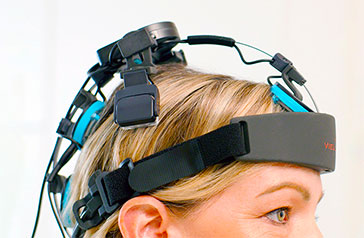
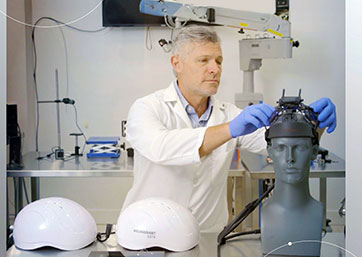
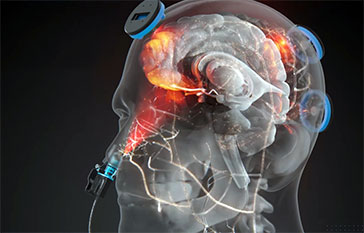
This new groundbreaking study with Vielight technology conducted in partnership with the Department of Mechanical and Aerospace Engineering University of Turin and the University of Alberta explores the effects of 810nm NIR energy on crucial cellular structures known as tubulin.
Healthy cellular function and structure are intrinsically linked to the integrity of tubulins. Tubulins are proteins found in all eukaryotic cells and play a critical role in their structure and function. Eukaryotic cells typically contain 3–4% tubulin. Notably, however, mammalian brain tissue is particularly rich in tubulin content, consisting of 10% or more of the total protein content.
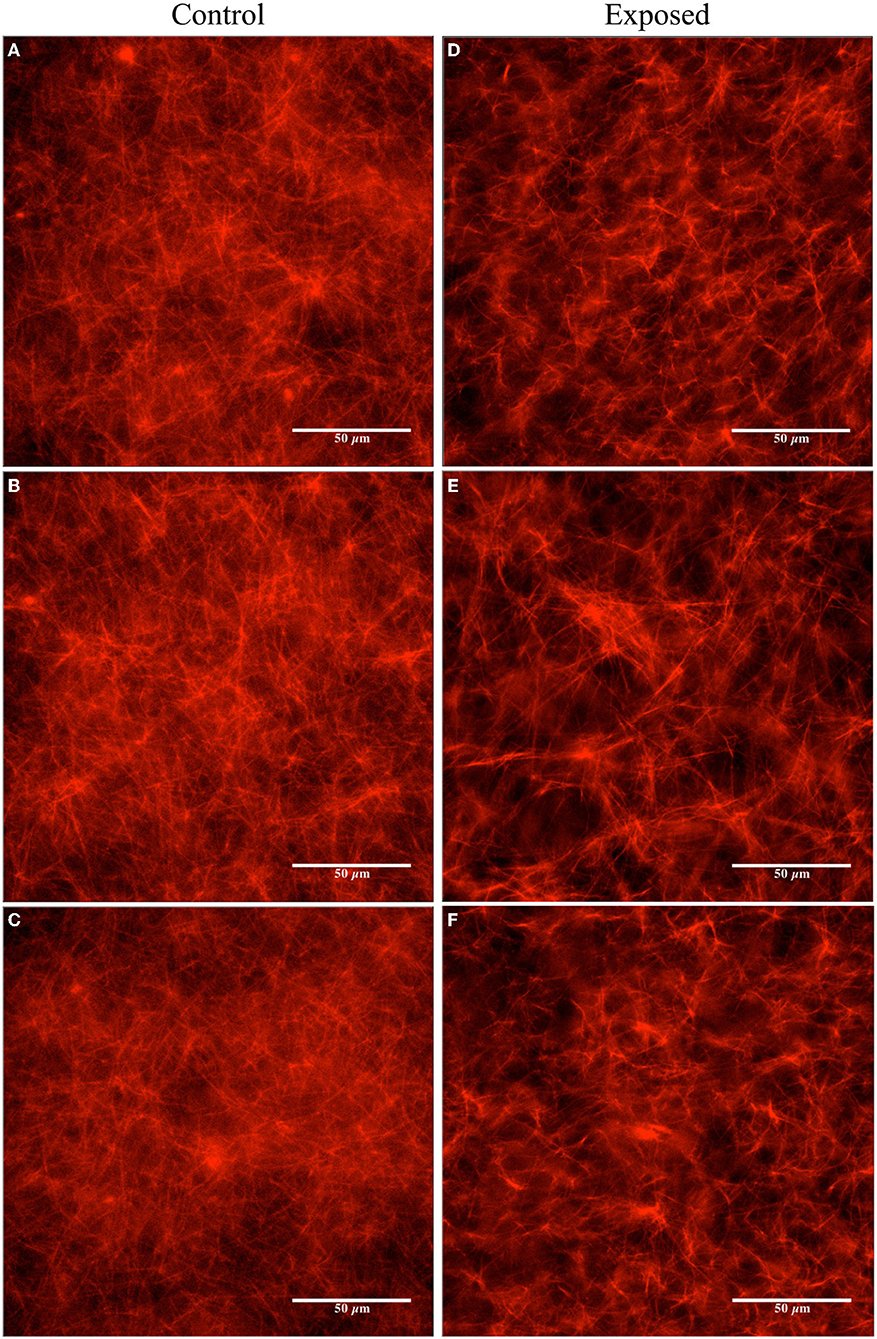
Tubulin, crucial in Alzheimer’s pathology, was studied for PBM’s effects using Raman spectroscopy. Tubulin samples exposed to pulsed NIR radiation with Vielight LED technology (810 nm, 10 Hz, 22.5 J/cm²) revealed significant changes in protein structures.
Using this validated imaging method, statistically significant alterations in the secondary structures of polymerized NIR-exposed tubulin were observed, characterized by a notable decrease in α-helix content and a concurrent increase in β-sheets compared to the control samples.
This newly discovered mechanism with Vielight technology could have implications for reducing the risks associated with brain aging, including neurodegenerative diseases like Alzheimer’s disease, through the introduction of an intervention following this transition. and potential for brain aging intervention.