





PTSD and Cognition Published Clinical Study: Transcranial-Intranasal Photobiomodulation | Vielight Neuro
Reference: Tate, J., Lindsey, A., Wilde, L. (2025). Photobiomodulation for Cognitive Function and Wellness in Firefighters: A Pilot Study. Photobiomodulation, Photomedicine, and Laser Surgery. DOI: 10.1177/15578550251362096
This article is for educational purposes only and summarizes published clinical research on transcranial-intranasal photobiomodulation using Vielight technology in a firefighter population. The Vielight Neuro is a general wellness device. It is not intended to diagnose, treat, cure, or prevent PTSD. Consult a qualified healthcare professional for medical or mental health concerns.
Why This Study Matters
Firefighters endure extreme stress, traumatic events, and irregular schedules that can lead to:
-
Poor sleep and chronic fatigue
-
Persistent pain
-
Mood dysregulation
-
PTSD symptoms
-
Cognitive decline
Traditional wellness strategies—counseling, fitness, therapy—help, but may not fully address the neurological impact of sustained stress.
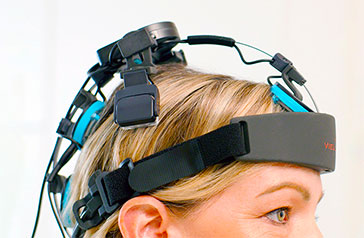
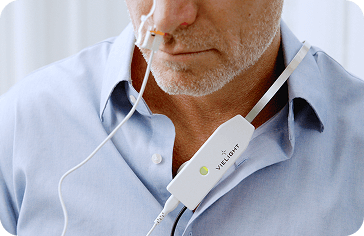
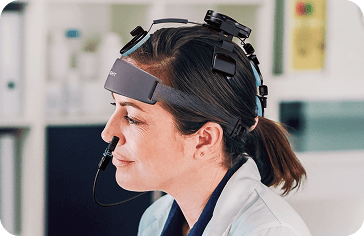
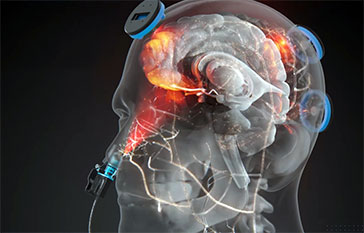
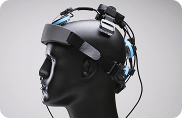
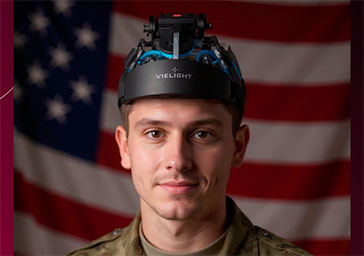
Researchers at the University of Utah investigated a new, non-invasive approach: transcranial-intranasal photobiomodulation (itPBM) — delivering near-infrared light to the brain through the nose and scalp using the Vielight Neuro Gamma to promote cellular health, reduce inflammation, and support brain network function.
How the Study Worked
-
Participants: 16 active-duty male firefighters (ages 25–58, mean ~43)
-
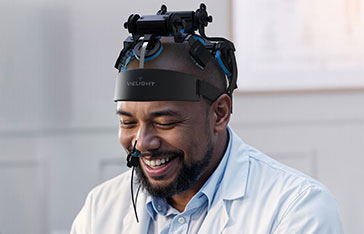
Device: Vielight Neuro Alpha
-
Wavelength: 810 nm near-infrared light
-
Modulation: 10 Hz
-
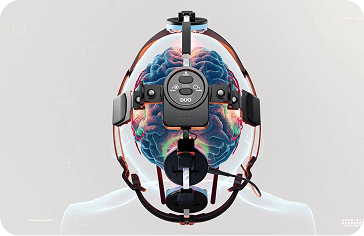
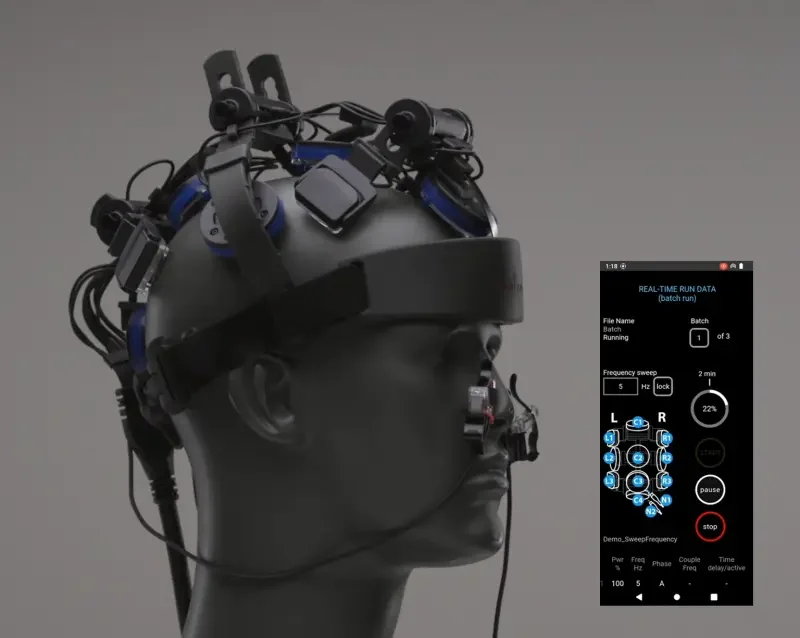
Configuration: Four transcranial LED clusters targeting default mode network hubs + one intranasal LED targeting ventral prefrontal cortex
-
-
Schedule:
-
20 minutes per session
-
3–4 sessions per week
-
8 weeks total (~25 sessions)
-
-
Measurements: Standardized tests for PTSD symptoms, pain interference, mood disturbance, fluid cognition, and reintegration readiness.
Results at a Glance
| Outcome Measure | Baseline Mean (SD) | Post-Treatment Mean (SD) | p-Value | Effect Size (Cohen’s d) |
|---|---|---|---|---|
| PTSD Checklist (PCL-5) | 28.9 (12.0) | 17.4 (8.4) | 0.003 | 1.08 (large) |
| PROMIS Pain Interference | 57.0 (7.5) | 51.8 (7.4) | 0.018 | 0.72 (moderate) |
| NIH Toolbox Fluid Cognition | 102.0 (12.0) | 108.8 (11.5) | 0.009 | 0.83 (large) |
| Mood Disturbance (POMS-TMD) | 41.7 (8.2) | 36.0 (7.0) | 0.012 | 0.74 (moderate) |
| Reintegration Index | 85.2 (8.0) | 90.7 (6.7) | 0.007 | 0.84 (large) |
Compliance: Over 90% attendance rate
Adverse Effects: None reported
What This Means
The therapy led to statistically and clinically significant improvements in:
-
PTSD symptom severity
-
Daily life pain interference
-
Problem-solving, memory, and cognitive flexibility
-
Emotional stability
-
Readiness for social reintegration
The effect sizes were moderate to large, meaning these improvements are likely noticeable in real-world settings.
Why It’s Exciting
-
Safe & drug-free — no reported side effects
-
Time-efficient — 20 minutes per session
-
Portable & scalable — possible integration into fire stations, clinics, and wellness centers
While this was a small, uncontrolled pilot, it’s a strong signal that larger randomized controlled trials are warranted.
“If tPBM can improve resilience, cognition, and recovery in firefighters, its potential for other high-stress professions—like healthcare workers, police, and veterans—is enormous.”