




Neuro-Optometric TBI Lecture | Vielight (tPBM) Technology | Dr Fitzgerald and Dr. Shidlofsky
Introduction
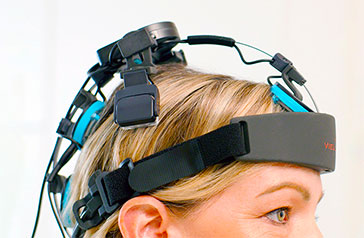
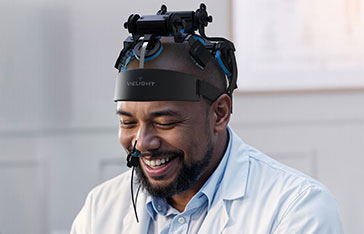
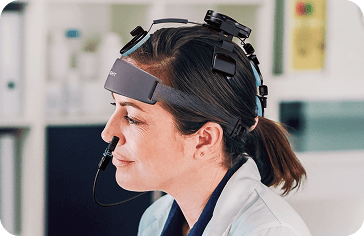
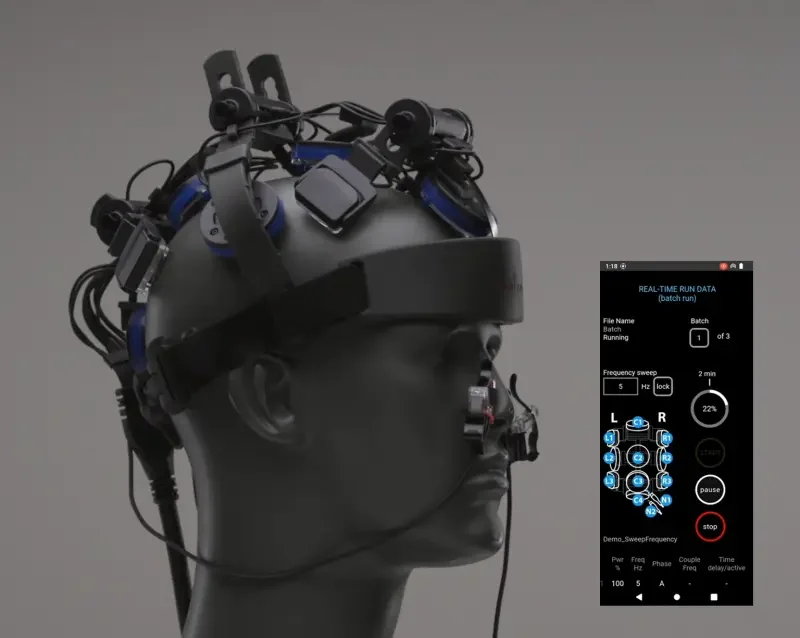
Concussions, traumatic brain injuries (TBI), and neurodegenerative conditions present ongoing challenges in neurorehabilitation. During a recent lecture delivered by leading neuro-optometrists Dr. Charles Shidlofsky and Dr. DeAnn Fitzgerald, attendees were introduced to a novel adjunctive modality in neurorehabilitation: the Vielight Neuro, a non-invasive photobiomodulation (PBM) technology designed to deliver near-infrared (NIR) light to the brain.
Why Recovery Outcomes Differ: A Clinical Observation
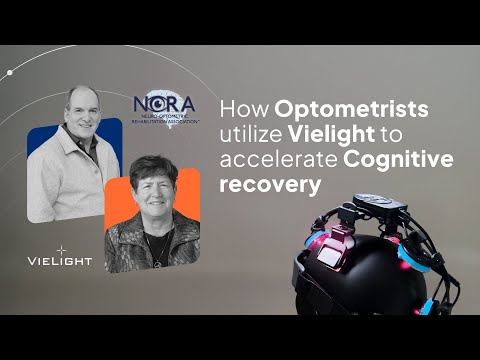
Dr. Fitzgerald posed a critical question during her lecture: why do individuals with similar brain injuries often experience vastly different recovery outcomes? She pointed to neuroinflammation, mitochondrial dysfunction, and autonomic dysregulation as key variables. Without addressing these foundational issues, traditional rehabilitation efforts—such as vision therapy, vestibular rehabilitation, and cognitive retraining—may be less effective.
The Vielight Neuro: A Tool to Support Neuroplasticity
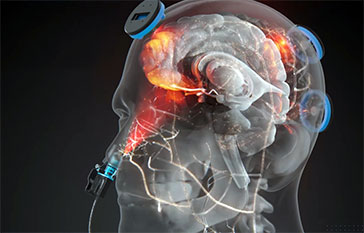
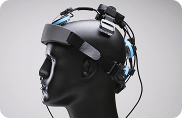
With her many years of clinical work with the Vielight Neuro, Dr. Fitzgerald proposes the Vielight Neuro as a tool to reach cortical regions and interact with mitochondria, due to its optimal irradiance and 810nm NIR wavelength.
Scientific and clinical observations presented in the lecture highlighted several PBM-supported processes:
- ATP Production: Enhanced mitochondrial output for increased cellular energy.
- Anti-inflammatory Action: Downregulation of neuroinflammation.
- Neuroplasticity Support: Activation of brain-derived neurotrophic factors (BDNF) and synaptic remodeling.
- Autonomic Regulation: Shifting from sympathetic dominance to parasympathetic balance, supported by vagus nerve stimulation.
Lecture Case Examples: Application in Clinical Settings
The presenters shared a number of anonymized case observations. In concussion management, application of the Vielight Neuro device prior to or during neuro-vision therapy sessions appeared to correlate with:
- Reduced headache frequency and photophobia within weeks
- Improvements in reaction time and cognitive performance
- Enhanced readiness for traditional therapies like eye tracking and balance training
In one Parkinson’s case, 12 weeks of structured PBM exposure coincided with:
- Improved contrast sensitivity
- Enhanced gait and balance
- Reduced cognitive fatigue
While causality cannot be confirmed, these observational insights supported further exploration.
Scientific Insights from Dr. Lew Lim
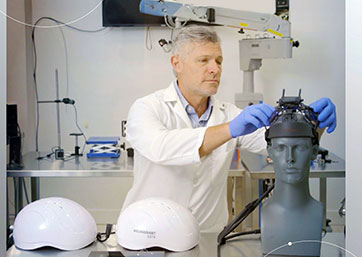
Dr. Lew Lim, founder of Vielight, expanded on the underlying science. He referenced functional MRI studies conducted at Baycrest Hospital (University of Toronto) with a new Vielight laser apparatus, in which intranasal and transcranial brain stimulation demonstrated measurable brain-wide responses:
- At 150 mW/cm² transcranial, blood-oxygen-level-dependent (BOLD) imaging showed increases in cerebral blood flow and activation.
- Optimal results were observed at 10 Hz (alpha) and 40 Hz (gamma) pulse frequencies.
These findings align with earlier data from studies with the Vielight Neuro at the University of Utah and Brigham Young University, which tracked improvements in balance, reaction time, and mood in athletes exposed to repetitive head impacts.
PBM via the Vielight Neuro is theorized to act through:
- Nitric oxide release, enabling vasodilation and perfusion
- ATP synthesis for cellular energy
- Activation of transcription factors such as NF-kB and Nrf2
- Support of mitochondrial efficiency and reduction of oxidative stress
Potential Applications Discussed
The speakers emphasized the need for further study but highlighted areas under active investigation, including:
- Visual Snow Syndrome
- Long COVID-related brain fog
- Stroke-related visual field issues
- Neurodegenerative conditions such as Parkinson’s and mild cognitive impairment
Device Use: In-Clinic and at Home
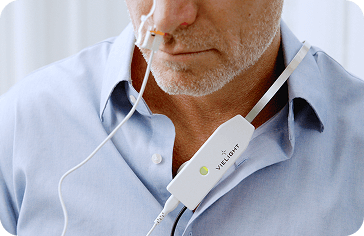
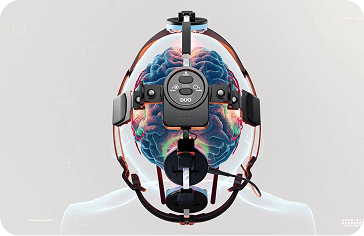
Due to the device’s sensitive construction, most use occurs in-clinic. However, practitioners noted that patients are increasingly purchasing the Vielight Neuro Duo for home use under clinical guidance. Additionally, the Vielight Vagus device—targeting the vagus nerve—was discussed for its role in supporting parasympathetic activity and sleep regulation.
Conclusion: A New Frontier in Brain Stimulation
This lecture reinforced that photobiomodulation via the Vielight Neuro is an emerging area of interest in neurorehabilitation. By potentially influencing key pathways related to energy production, inflammation, and brain network reorganization, the technology offers new avenues for enhancing resilience and recovery.
As the field advances through more rigorous research and clinical trials, including studies aiming for FDA clearance, the Vielight Neuro may continue to gain traction as a tool for supporting neurological function across a range of applications.