




The Invisible Advantage: How Vielight is Redefining Brain Resilience and Performance in Football
Published:
In the high-stakes world of the NFL and elite collegiate football, the difference between a game-winning play and a season-ending injury often comes down to milliseconds and inches. For years, the focus has been on physical armor—pads, helmets, and bracing. But a new frontier is emerging that focuses on the most critical piece of equipment an athlete owns: the brain.
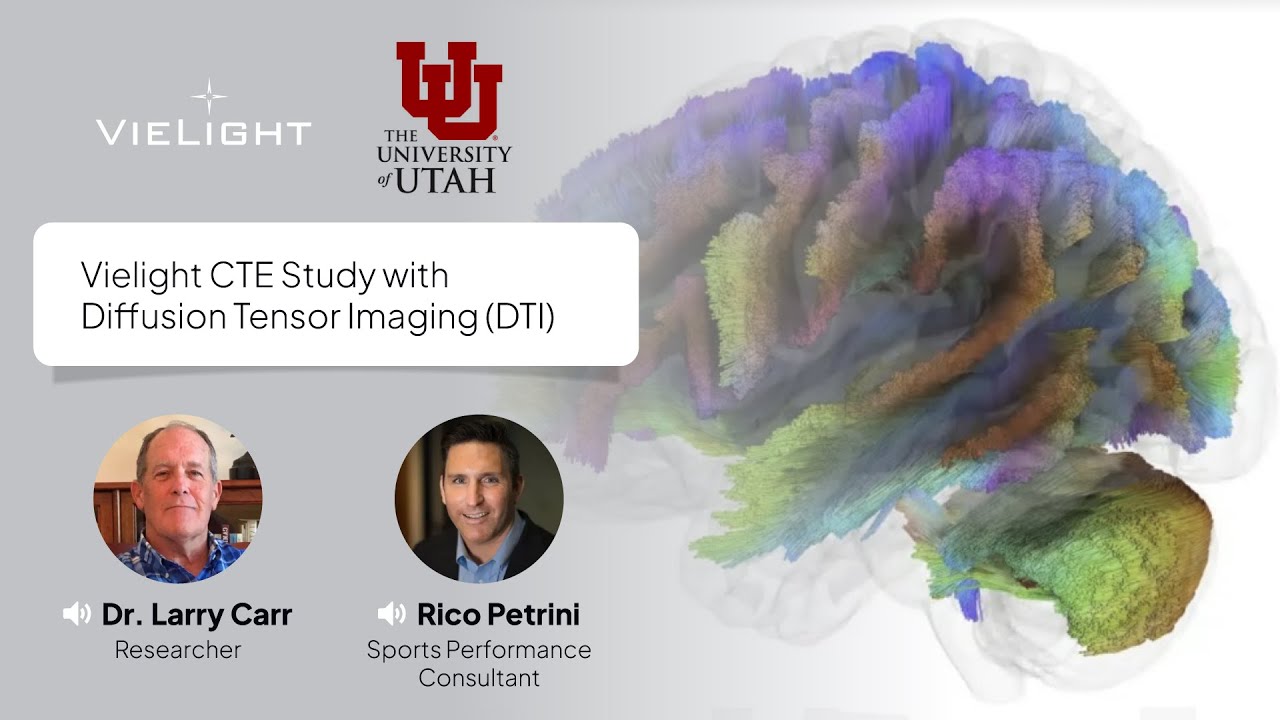
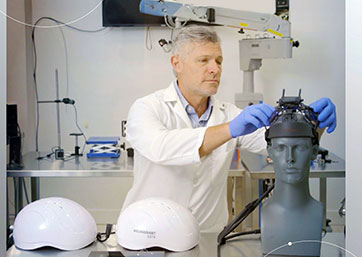
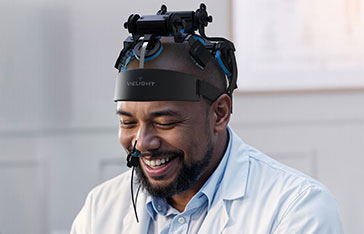
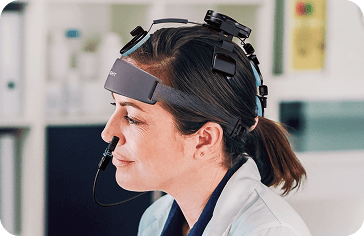
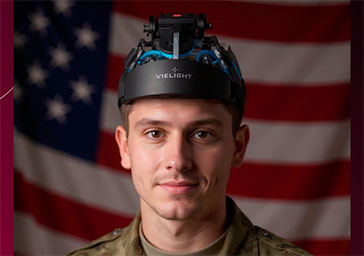
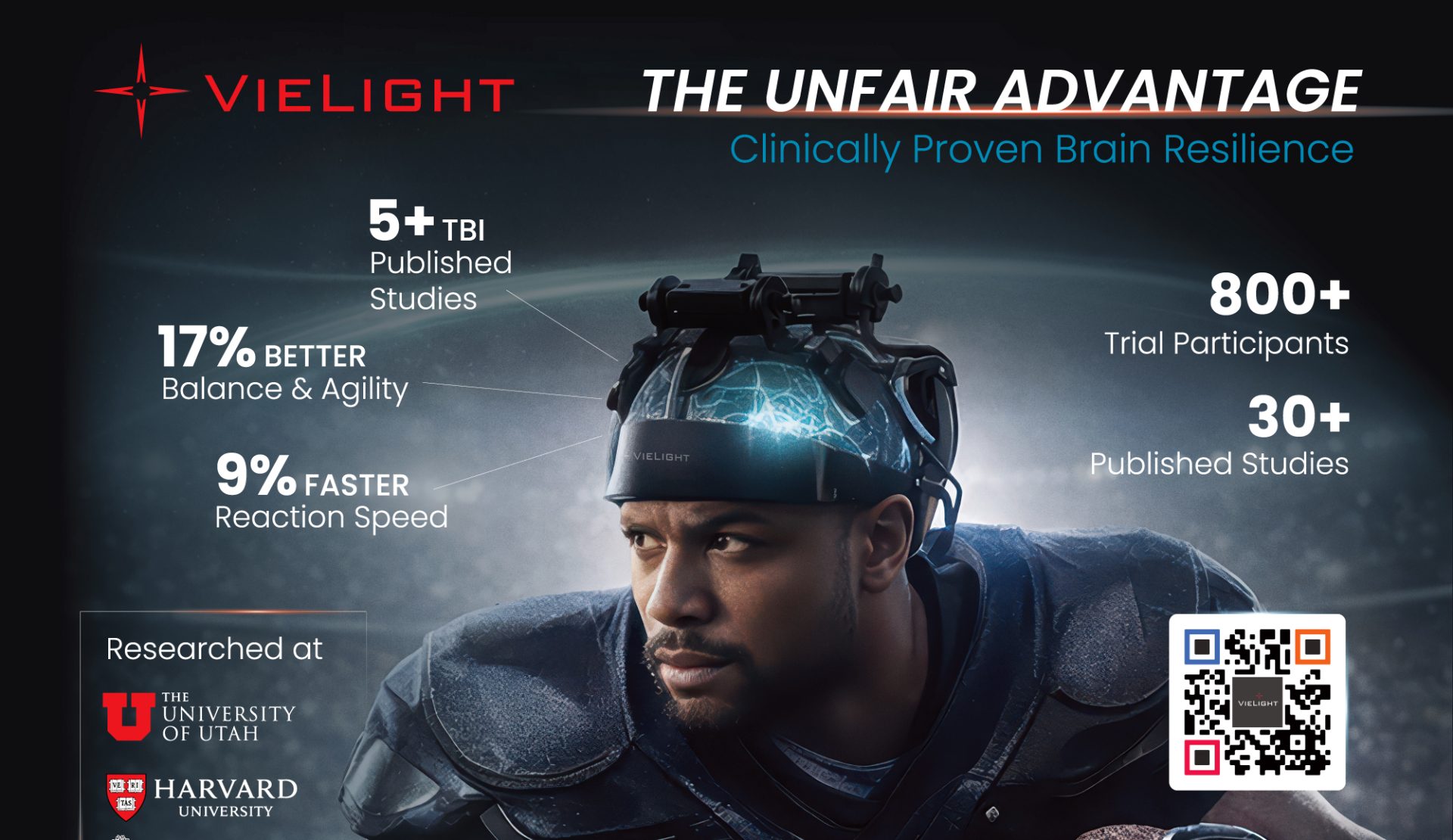
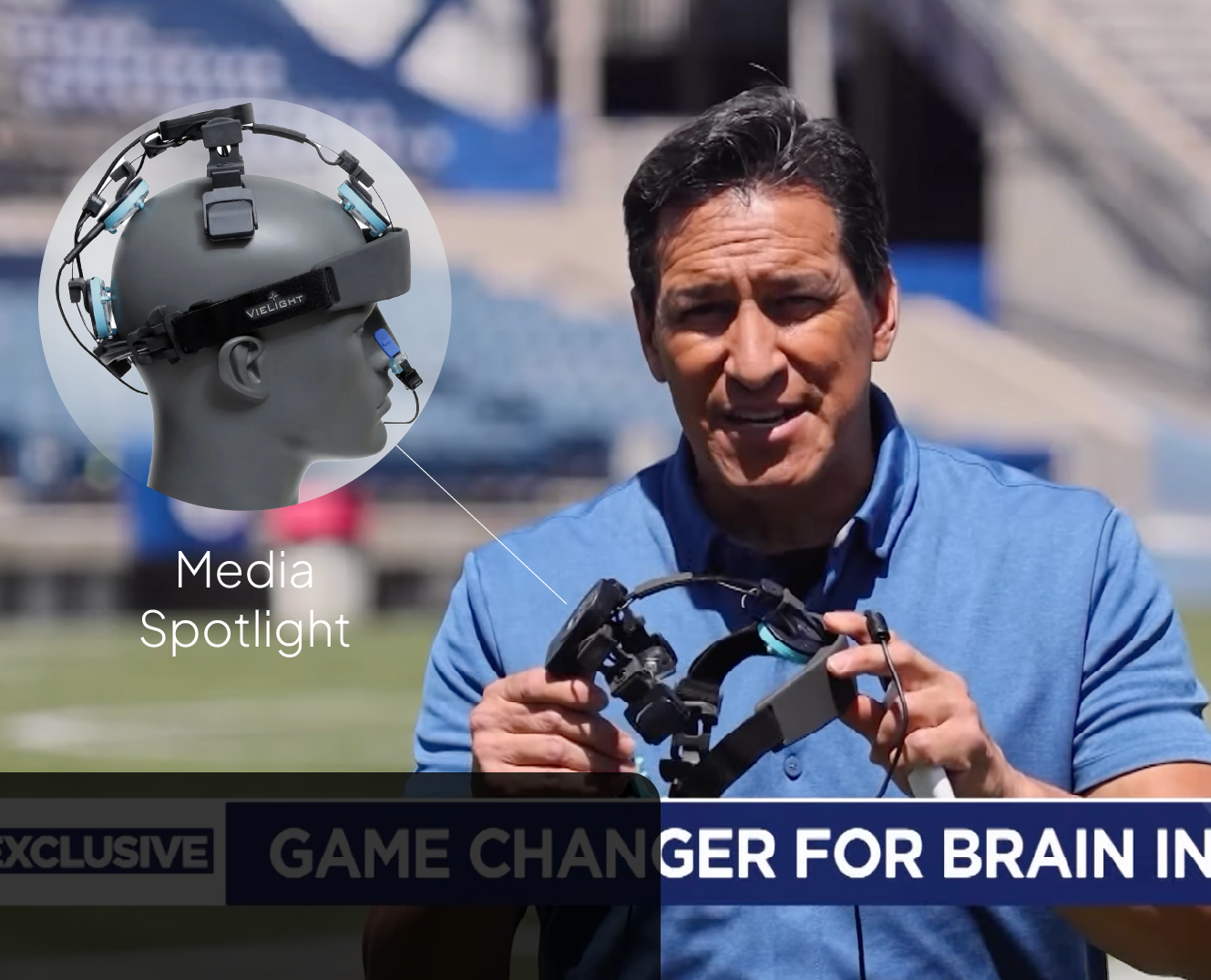
Through a groundbreaking partnership with Brigham Young University (BYU) and research led by the University of Utah, Vielight’s photobiomodulation (PBM) technology is moving from the lab to the gridiron, offering what many are calling “the unfair advantage” in brain resilience and performance.
The Vielight Advantage | NFL and NCAA
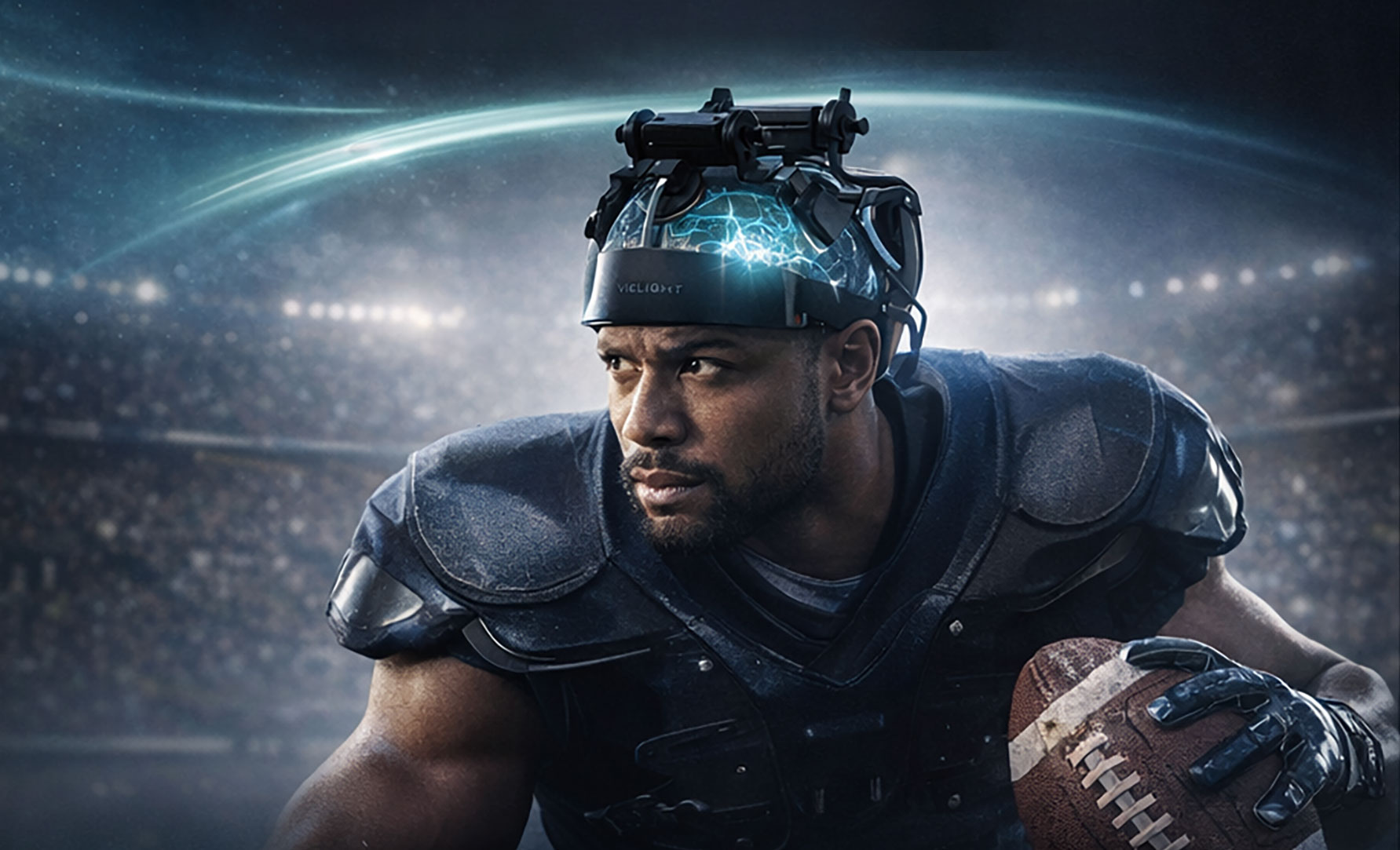
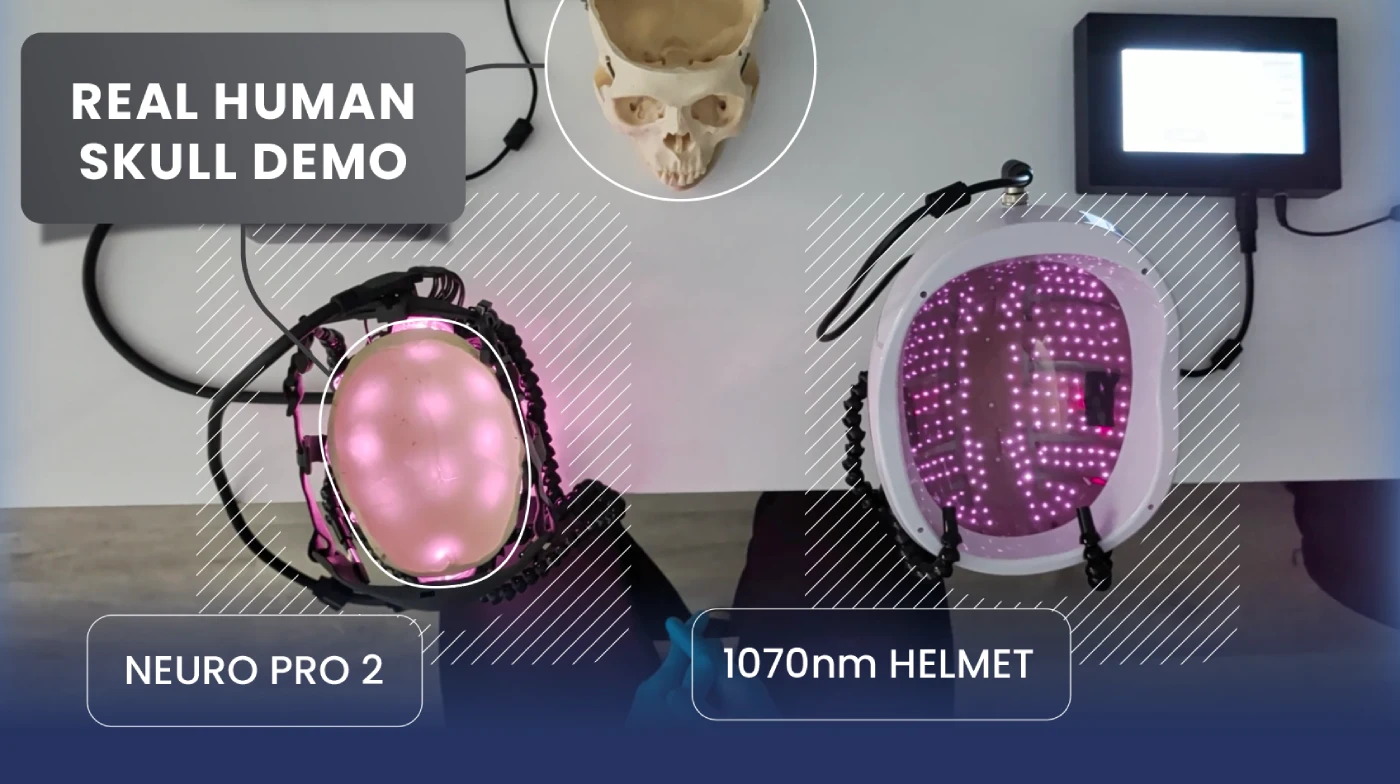
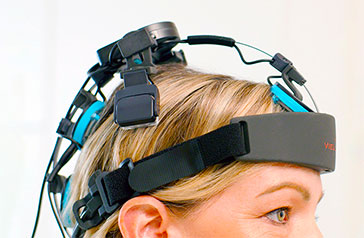
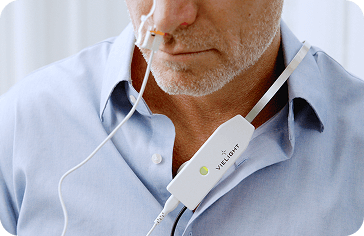
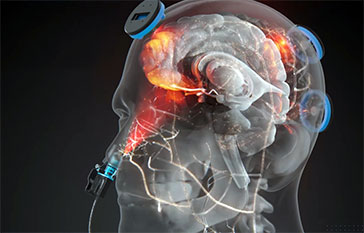
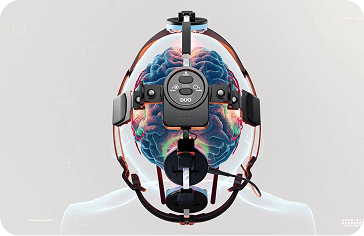
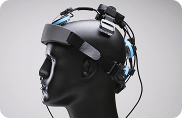
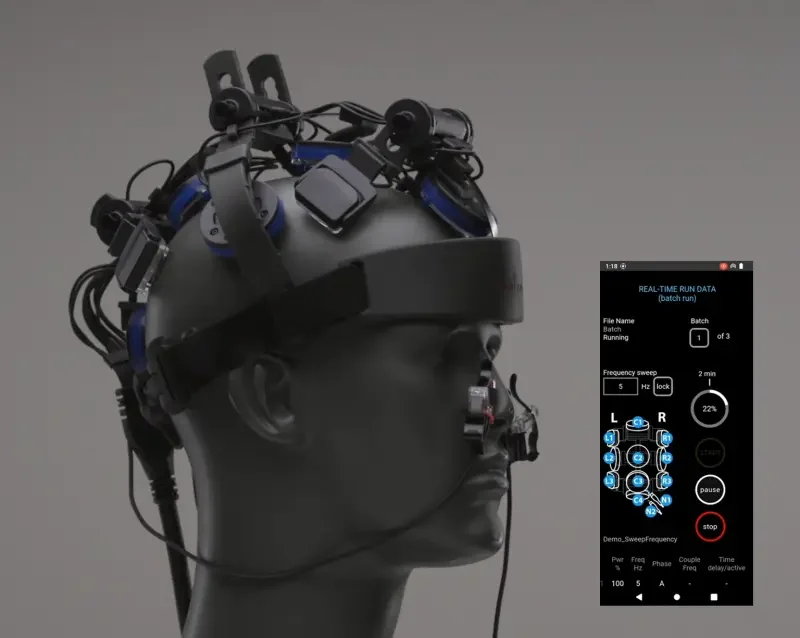
Vielight’s patented neurotechnology, which delivers world-leading near-infrared irradiance through the intranasal-transcranial channels (itPBM) has been research-validated to:
-
Increase Cellular Energy (ATP): Fueling brain cells to perform at their peak by supporting mitochondrial function.
-
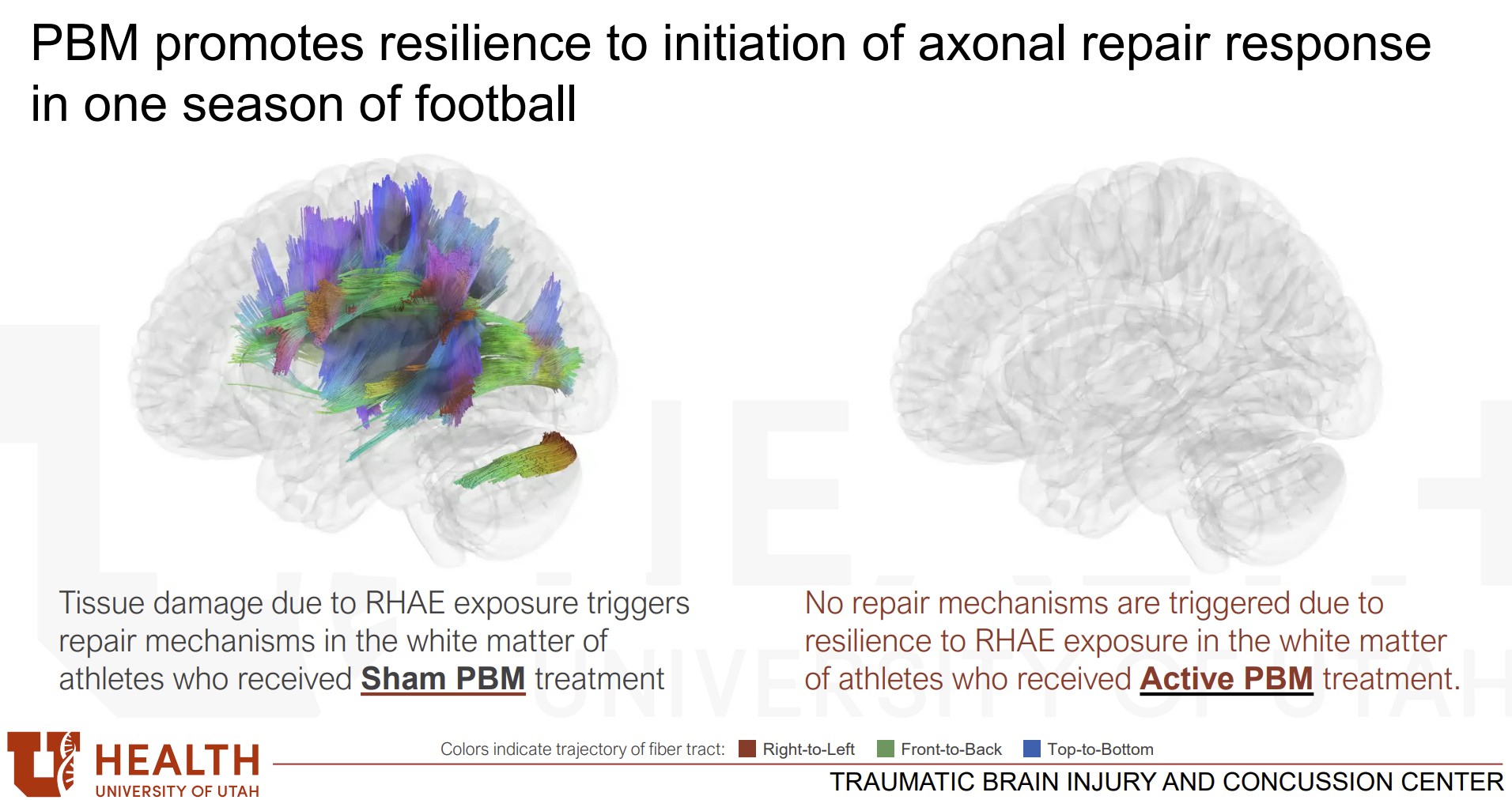
Induce Brain Resilience: Season-long analyses of collegiate football players using the device showed a significant decrease in diffusion MRI markers.
-
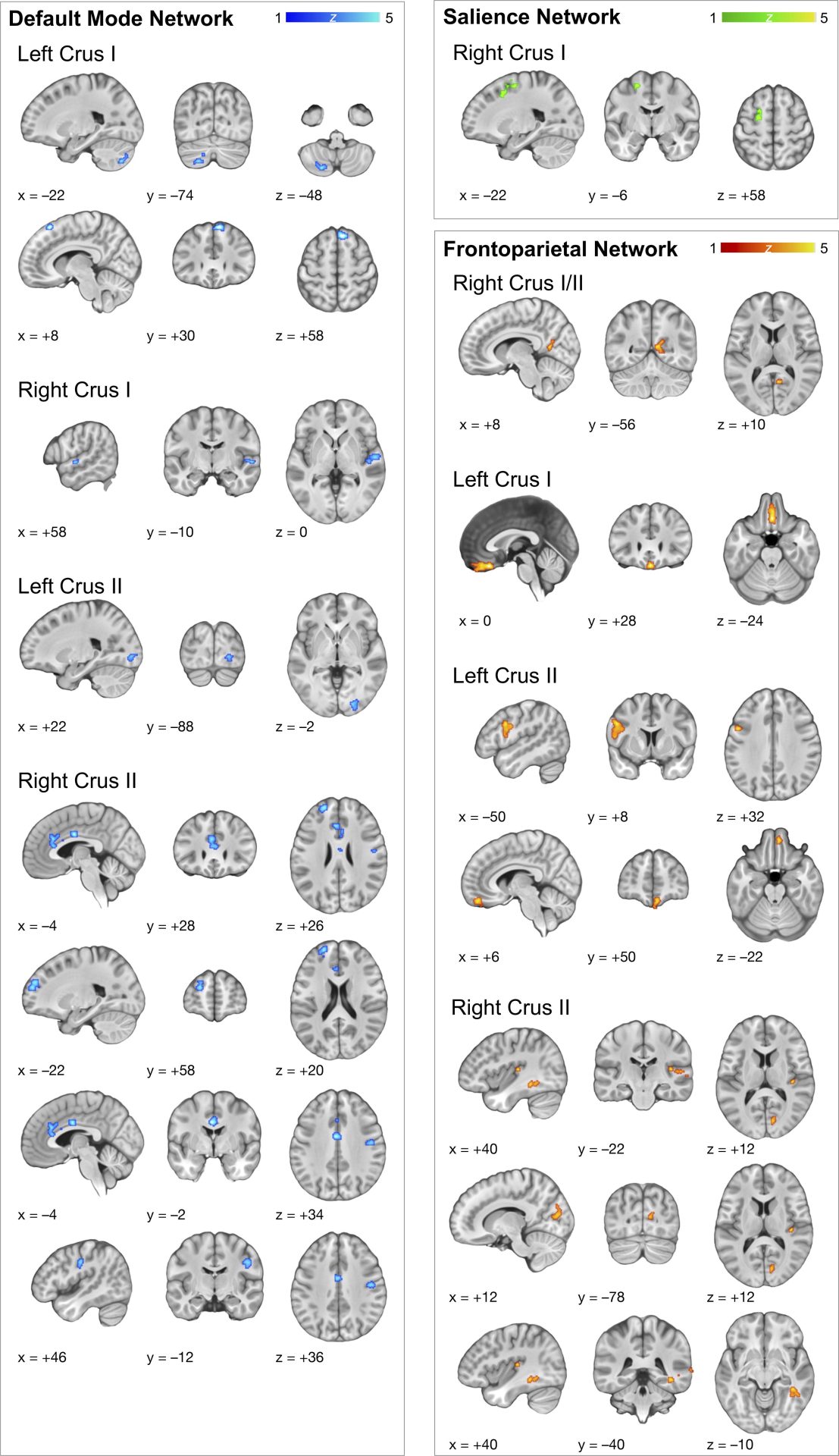
Enhance Connectivity: Research indicates that PBM helps “quiet” noisy crosstalk between major brain networks while increasing connectivity within the networks responsible for attention and cognitive control.

Clinically Proven Results for the Gridiron
The data isn’t just theoretical; it’s being proven by athletes in the trenches. A comprehensive study involving BYU football players revealed significant performance gains across 8–10 weeks of use:
| Performance Metric | Improvement |
| Reaction Speed | 19.39 ms Faster |
| Balance & Agility | Significant improvement in MiniBEST scores |
| Grip Strength | Increased by up to 3.73 kg |
These aren’t just marginal gains; they are the metrics that define “Game Ready” status. Tom Holmoe, Associate Athletic Director at BYU and a 3x Super Bowl Champion, noted that BYU has adopted the technology program-wide for their athletes.
“I believe this technology has a positive impact on performance, performance recovery, and focus at a high level.” — Tom Holmoe